
The Doctors’ Diagnostic Conflict
Los renglones torcidos de DiosThe hospital’s clinicians revise their positions as evidence, professional loyalty, personal sympathy, and institutional responsibility pull in different directions.
increasing Bearing strength in each event
 decreasing
Bearing strength in each eventdecreasingA Promising Patient
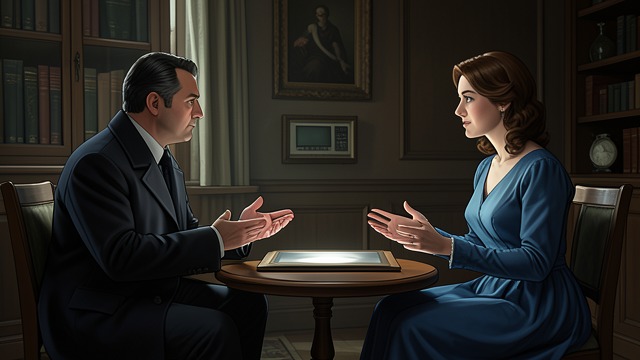
Confidence in Alice’s Health
Arellano’s observations
César Arellano finds Alice articulate, educated, physically healthy, and free of obvious cognitive impairment. Her test results offer no simple confirmation of the paranoia in her file.
A provisional openness
He treats the interviews as a way to understand her rather than force a predetermined answer. His favorable impression gives Alice an important advocate inside the medical system.
Alvar’s Double Diagnosis
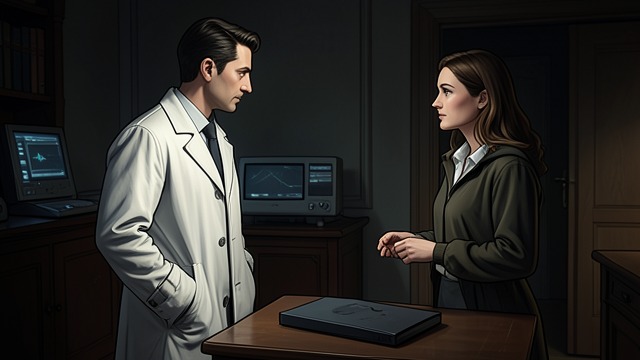
A Complicated Theory
Two layers of belief
Samuel Alvar argues that Alice has an authentic paranoia while deliberately simulating a second one. His theory explains her apparent inconsistencies but relies on interpreting ordinary remarks as proof of superiority and contempt.
Arellano’s objection
César points out that Alvar cannot use statements Alice supposedly made during a feigned delusion as evidence of an underlying illness. The dispute exposes how easily diagnostic interpretation can become self-confirming.
Unanimity After New Evidence
Reversal and Responsibility
A history reconstructed
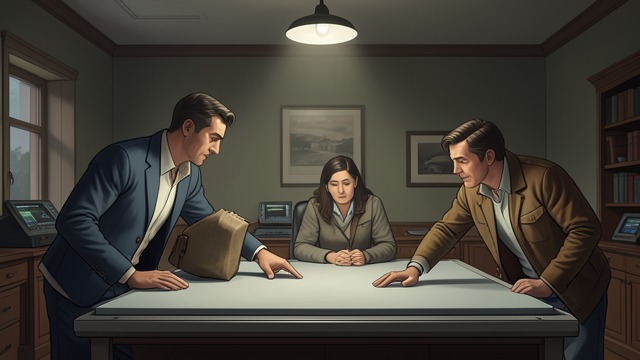
María Luisa’s testimony confirms that Alice’s poisoning, her confused encounters, and the invented commission arose within a genuine paranoid episode. The doctors must correct earlier judgments without ignoring her victimization by Heliodoro.
A unanimous discharge
The committee votes to uphold Alice’s release, recognizing that the immediate causes of her crisis have changed. Their unanimity is a cautious institutional decision, not proof that every question about her mind has vanished.
During Alice’s first clinical tests
At the first diagnostic review of Alice’s case
At the final medical committee meeting
